Amazon Go Store: From Revolutionary to Shuttered (What Happened)
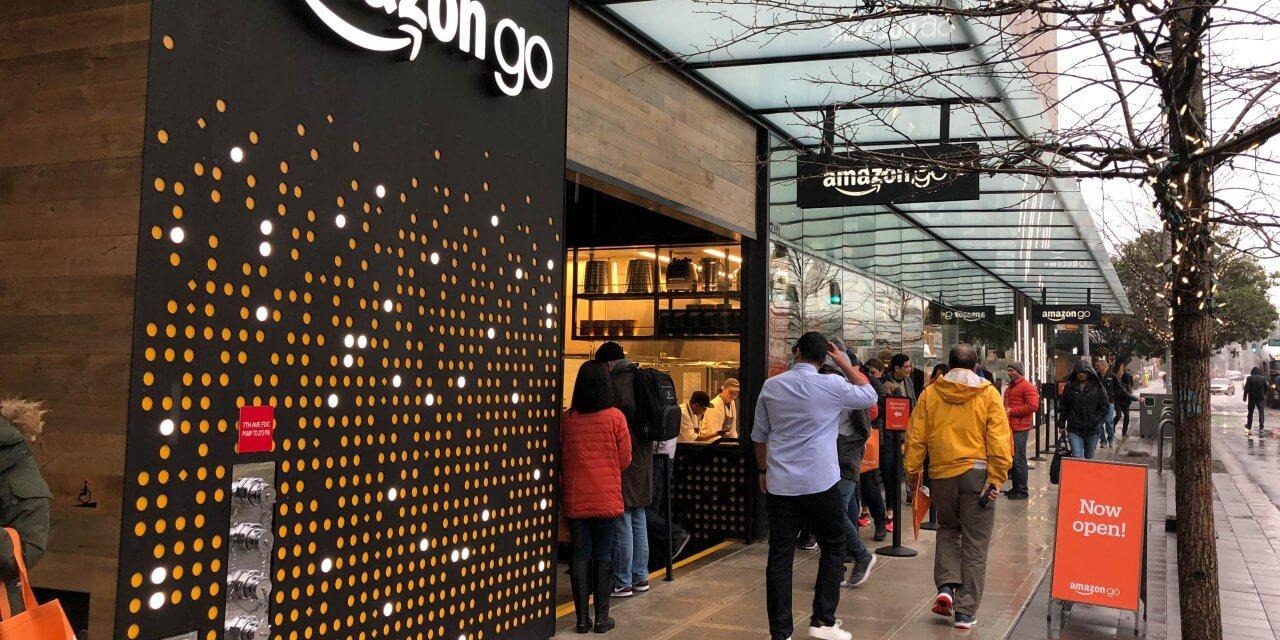
We visited the first Amazon Go store in Seattle one week after it opened to the public. The premise was simple and audacious: walk in, grab what you want, walk out. No checkout lines. No cashiers. No scanning. Just leave. It felt like the future of retail. Then Amazon shut most of them down. This is our original review plus the full story of what happened.
2026 Update: Amazon Go Is Mostly Dead
Before we get to the original review, here is what happened.
The peak: Amazon opened 44 Amazon Go and Go Grocery stores across the US and UK between 2018 and 2022. Seattle, San Francisco, New York, Chicago, London.
The retreat: In 2023 and 2024, Amazon started closing stores. By early 2025, roughly two-thirds of all Amazon Go locations had been shut down. The original Seattle store that we reviewed? Closed.
What went wrong:
- The economics never worked. The "Just Walk Out" technology required hundreds of ceiling cameras, weight sensors on every shelf, and massive compute infrastructure per store. The technology cost per location was estimated at over $1 million, not counting ongoing maintenance and cloud computing costs. For a convenience store doing maybe $1-2 million in annual revenue, the math was brutal.
- Human reviewers were doing the work. In 2024, reports confirmed that roughly 70% of Amazon Go transactions required review by human workers in India who watched camera footage to verify purchases. The AI was not as autonomous as marketed.
- Grocery margins are razor thin. Convenience stores and grocery operate on 1-3% margins. The technology overhead wiped out any labor savings from eliminating cashiers.
- Amazon refocused. Andy Jassy's Amazon prioritized profitability over moonshot experiments. Amazon Go was an expensive R&D project that was not scaling profitably.
What survived: Amazon pivoted the "Just Walk Out" technology to third-party licensing. Instead of running their own stores, they sell the tech to stadiums, airports, and other retailers. Hudson Nonstop stores in airports use it. Several sports venues have installed it for concessions. The technology works better in high-volume, high-margin environments where speed matters more than cost.
Amazon also launched "Amazon Dash Cart" -- a smart shopping cart with built-in sensors and a screen that tracks items as you shop. Lower tech cost, same convenience benefit. It is being deployed in Amazon Fresh and Whole Foods locations.
The lesson: Being first does not mean being right. The technology was real but the unit economics of running your own convenience stores with million-dollar camera rigs were not. The pivot to licensing the tech to third parties was the right move. The future of cashierless retail is real. Amazon just learned that it does not need to own the stores to own the technology.
Our Original Review (2018)
Everything below is our original experience visiting the first Amazon Go store in Seattle.
The Traditional Store Experience Is Broken
It is the weekend. You need to do your weekly grocery shopping. Go to the store. Grab a cart. Throw items in. Proceed to checkout. Wait in a super long line because everyone else is doing the same thing. Get to the cashier. Unload everything onto the conveyor belt. Stand and wait while they scan every item. Notice something scanned twice. Point out the error. They cannot fix it. Need a manager override. Wait longer while the cashier pages the manager over the intercom.
Finally everything is scanned. Time to pay. Take out your credit card. Is it chip or swipe? You guess wrong. Try again. Card does not read. Swipe again. Fails. Cashier tries. Fails. They try one more time. It works.
Was that painful to read? Some variation of that exact experience happens all the time. And we put up with it.
Amazon said: this experience is broken. There is a way to let customers grab what they want and walk out the door. That store experience is Amazon Go.
How Does It Work?
Amazon uses three things:
- Computer vision -- cameras. A lot of them. Mounted on ceilings covering every square inch of the store.
- Deep learning algorithms -- making sense of the data from all those cameras and sensors in real time.
- Sensor fusion -- weight sensors on shelves, sensors on product packaging, and other hardware working together.
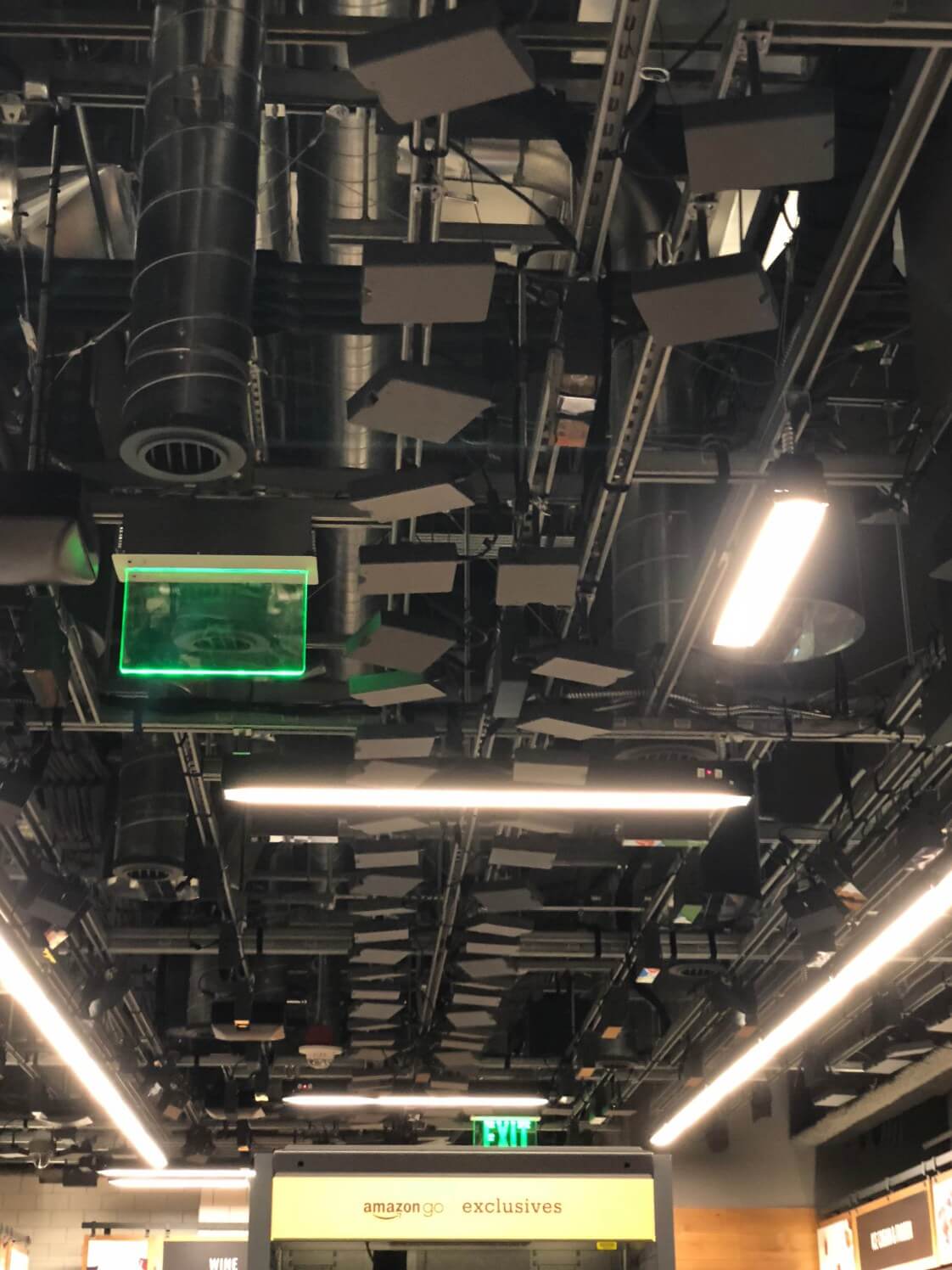
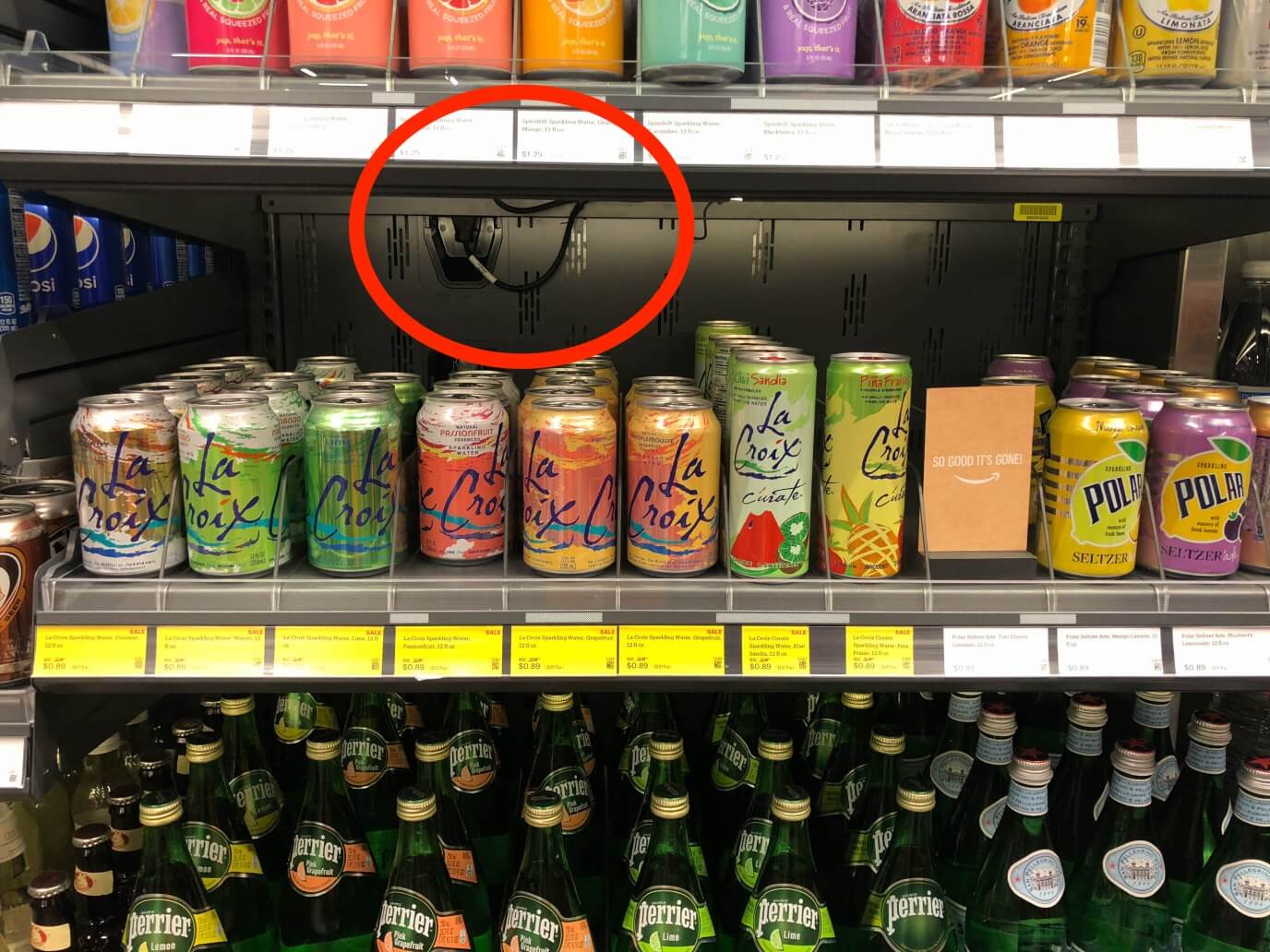
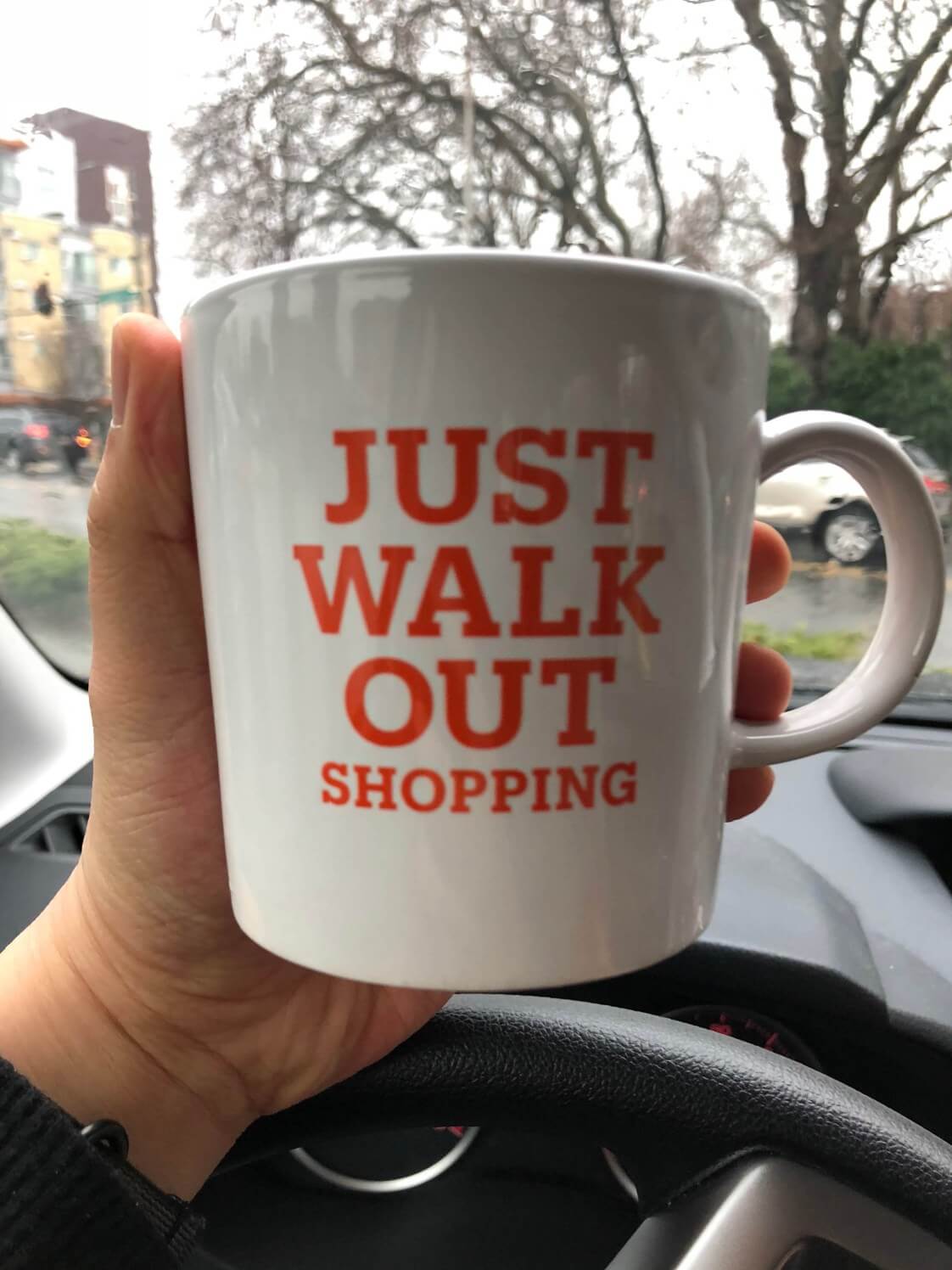
Combine the three and Amazon calls it "Just Walk Out" technology. They were so proud of it they put it on their mug.
What You Do as a Customer
First visit:
- Download the Amazon Go app and log into your Amazon account
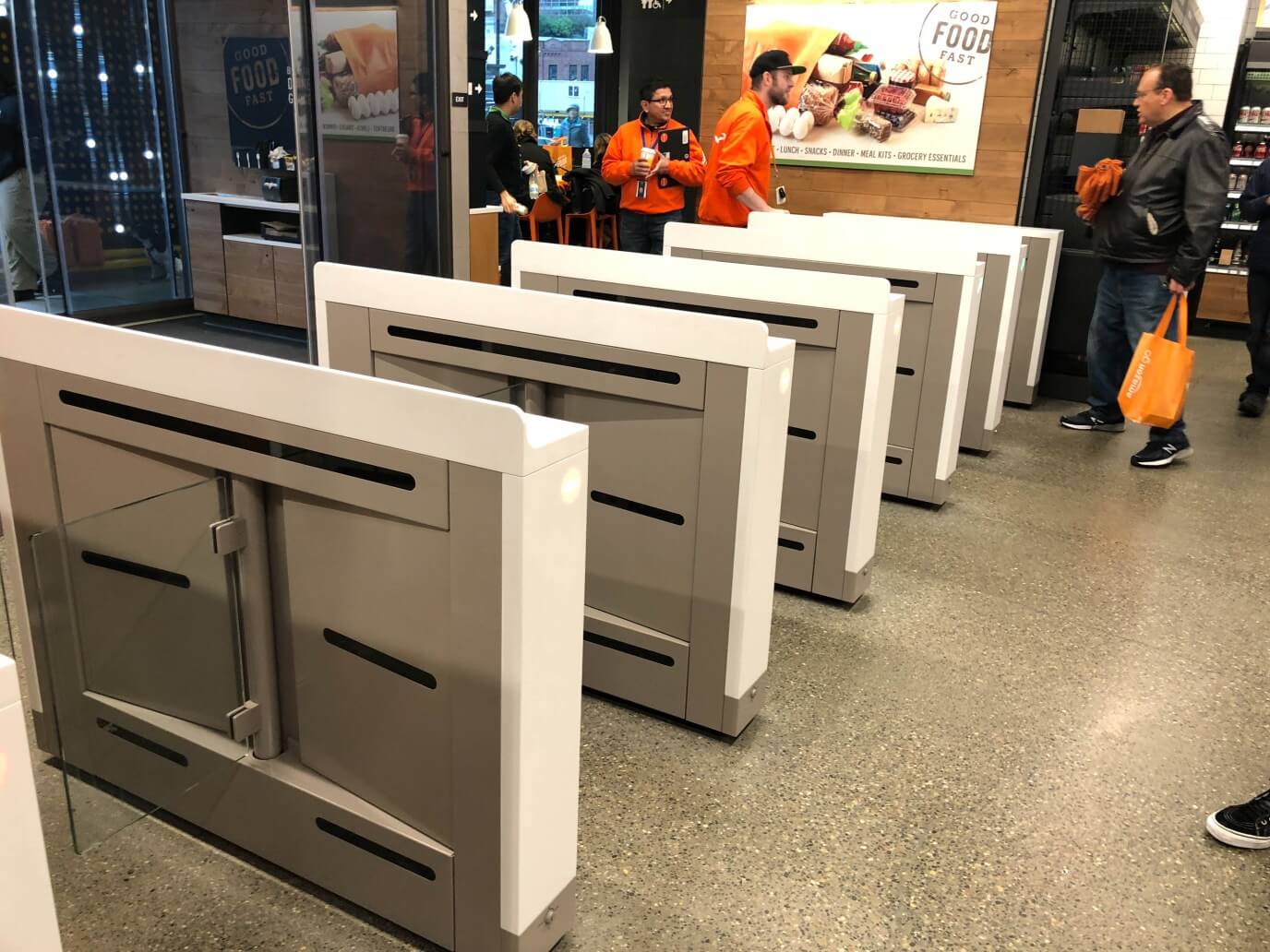
- Scan your app at the entry gate
- Put stuff in your bag
- Walk out
Return visits:
- Scan your app at the entry gate
- Put stuff in your bag
- Walk out
That is it.
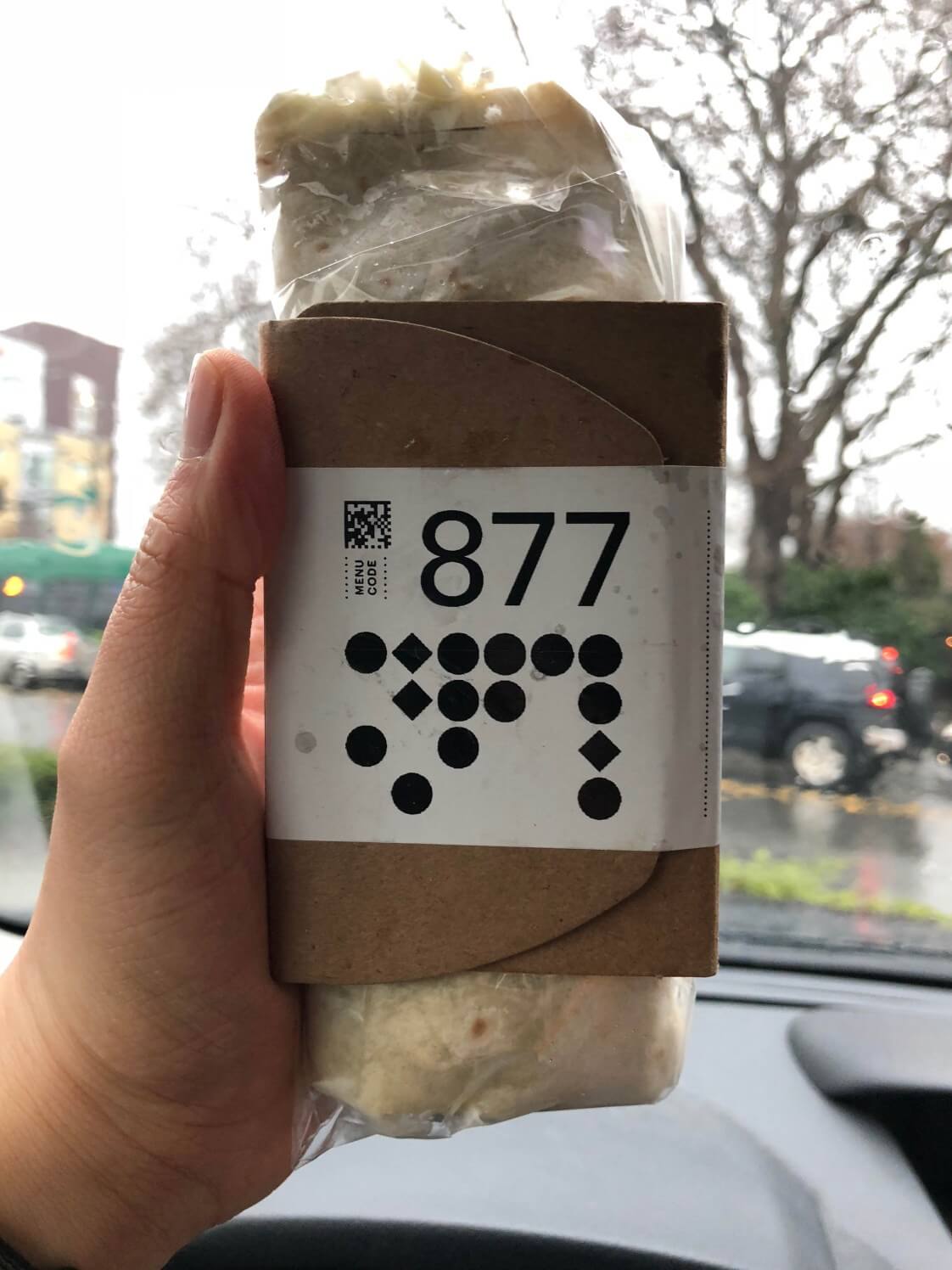
Some products like prepared sandwiches have barcodes on the packaging. Cameras above scan these when you pick them off shelves.
Need a refund? You initiate it yourself in the app. You do not need to return the item.
The Funny Stuff
There were still lines. The premise of the store was to eliminate lines. But the store attracted so many curious people that you had to line up to get into the store. Ironic.
The store still needed people. With all the fancy technology, there were still employees checking IDs at the alcohol section, making fresh sandwiches, and restocking shelves. (In hindsight, the human element was even bigger than we realized -- see the update above about human reviewers.)
Old habits die hard. Walking out with items and no checkout felt like shoplifting. We were looking around conspicuously the first time. You want someone to say "thanks for shopping." Nobody does. You just... leave.
Our Impressions at the Time
Every time there is disruptive technology, people bring pitchforks. Here is what we heard from friends and family:
- "All that fancy tech will cost way more than just hiring cashiers!"
- "This will only work in a small controlled setting. No way it scales to a real grocery store!"
- "Amazon will lose money on this and fail!"
- "You can issue your own refund and keep the item? Everyone will just steal everything!"
- "What about the millions of cashier jobs?"
Looking back, some of these critics were more right than we expected. The tech did cost too much. It did not scale to full grocery stores profitably. Amazon did lose money on it. But the underlying technology found a home elsewhere.
During our 7 minute and 23 second store visit, we counted 2 dozen Amazon employees spaced equidistant apart in the 1,800 square foot store, vigorously typing on their smartphones. Collecting data. Noting what worked and what needed improvement.
What We Said Then
The days of long painful checkout lines are limited. Amazon is attacking the pain of buying products on two ends: fast online delivery and frictionless retail checkout. Who does not want this?
What We Say Now
We were right about the vision. We were wrong about the execution path. Amazon Go stores themselves were not the answer. But the technology -- "Just Walk Out" -- lives on in airports, stadiums, and third-party retailers. The frictionless checkout future is still coming. It is just arriving through licensing deals and smart carts instead of Amazon-branded convenience stores.
In Conclusion
Amazon Go was a $1 billion+ experiment in eliminating the worst part of retail: the checkout line. The stores themselves failed as a business. But the technology proved the concept. Walk in, grab things, walk out. No lines. That experience is now being deployed in airports and stadiums where the economics actually work. The lesson is not that cashierless retail failed. The lesson is that revolutionary technology still needs unit economics that make sense. Amazon learned that the hard way. The rest of retail is learning from Amazon's expensive R&D.
For more on how tech giants approach innovation and marketing, see our Elon Musk facts and Tesla marketing strategy deep dives.
Related articles: Interesting Elon Musk Facts · Tesla's Marketing Strategy · Can AI Pick Stocks?
Author

Want more like this?
I write about AI implementation, automation, and growth marketing. No hype.