12 Insane Video Marketing Campaigns That Redefined Brands (Updated 2026)

Every campaign on this list did something most marketing never does: it got stuck in people's heads permanently. You are about to read through 12 examples. We guarantee you will recognize at least a few. That recognition is the whole point. These brands paid for a video and bought permanent space in your memory. That is the ROI that every CMO dreams about but almost none achieve.
12. Red Bull -- Felix Baumgartner Stratos Jump
The stunt: Red Bull flew skydiver Felix Baumgartner to the edge of space in a helium balloon. Altitude: 127,852 feet. He jumped. He broke the sound barrier on descent. The live stream peaked at 8 million concurrent viewers on YouTube, a record at the time.
Why it worked: Red Bull did not make a commercial about energy drinks. They created a genuine world record event. Three records broken:
- First human to break the sound barrier in freefall
- Highest manned balloon flight
- Highest altitude jump
The product was never the focus. The brand was the enabler of something extraordinary.
The result: 50+ million YouTube views. Estimated $500 million in media value against a $30 million investment. Red Bull cemented its position as a lifestyle brand, not a beverage company.
11. Blendtec -- "Will It Blend?" Series
The stunt: Blendtec CEO Tom Dickson created a YouTube series blending things you absolutely should not blend. iPhones. iPads. Golf balls. Crowbars. Glow sticks. Each episode: white lab coat, safety goggles, absurd item, the question "Will it blend?", and destruction.
Why it worked: Nobody cares about blender specs. Nobody watches a product demo about motor RPMs. But everyone watches an iPhone get pulverized. The series demonstrated the product's power through entertainment instead of information. The low production budget made it feel authentic, not corporate.
The result: 300+ million total views across the series. Blendtec's retail sales increased 700% in the first two years. A $50 video budget turned into one of the most successful product demonstration campaigns in marketing history.
10. Apple -- 1984 Super Bowl Ad
The stunt: Apple hired Ridley Scott (Blade Runner, Alien) to direct a Super Bowl commercial for the Macintosh. No product shots. No feature list. A dystopian scene inspired by George Orwell's "1984" where a woman hurls a sledgehammer at a giant screen broadcasting propaganda. The message: Apple is the rebellion against conformity.
Why it worked: Every other Super Bowl ad in 1984 used comedy or celebrity endorsements. Apple went with a cinematic short film. The board of directors hated it. Steve Wozniak offered to pay for half of the air time personally. Apple bet everything on a single airing and a single message: think different.
The result: $150 million in Macintosh sales in the first 100 days. The ad is still taught in marketing courses 40 years later. Advertising Age named it the greatest commercial of all time.
9. Old Spice -- "The Man Your Man Could Smell Like"
The stunt: Isaiah Mustafa, shirtless, delivering a rapid-fire monologue directly to camera while the set transforms around him in a single continuous shot. "Look at your man. Now back to me." The ad targeted women -- who research showed made 60% of body wash purchases.
Why it worked: Speed, absurdity, and confidence. The transitions were practical effects done in a single take. The humor was sharp without being crude. And the targeting was brilliant: talk to women about their men, make the product aspirational rather than functional.
The result: Old Spice sales increased 107% year over year. 60+ million YouTube views. The follow-up campaign where Mustafa responded to real Twitter comments in real-time generated 186 personalized video responses in 2 days.
8. Dollar Shave Club -- "Our Blades Are F***ing Great"
The stunt: CEO Michael Dubin starred in a $4,500 video walking through his warehouse, deadpanning one-liners about why paying $20 for a razor was insane. One take. Minimal production. Maximum personality.
Why it worked: Dollar Shave Club was a startup selling a commodity. Razor blades are razor blades. The differentiation was not the product -- it was the brand voice. The video communicated "we are not a corporation, we are the company that talks to you like a real person." In 90 seconds, they established a brand personality that Gillette could never replicate.
The result: 12,000 orders in the first 48 hours. The video crashed their website. 28+ million views. Dollar Shave Club sold to Unilever in 2016 for $1 billion. A billion-dollar acquisition fueled by a $4,500 video.
7. Poo-Pourri -- "Girls Don't Poop"
The stunt: A prim, proper British woman sitting on a toilet, calmly explaining the reality of bathroom odors. Elegant setting. Graphic descriptions. Total contrast between the delivery and the subject matter.
Why it worked: Bathroom products are an impossible category to market with dignity. Poo-Pourri said forget dignity. They leaned into the taboo and made it funny. The contrast between the refined spokesperson and the crude subject matter created comedy that people could not stop sharing.
The result: 44+ million YouTube views. $1 million in revenue in the first year from a bootstrapped startup. The video essentially was the entire marketing strategy. They doubled down on humor across all touchpoints -- even their product packaging.
6. Squatty Potty -- "This Unicorn Changed the Way I Poop"
The stunt: An animated unicorn pooping rainbow soft-serve ice cream while a narrator explains the science of squatting vs sitting on a toilet. Yes, really. The Harmon Brothers produced it.
Why it worked: Same playbook as Poo-Pourri but pushed even further into absurdity. The unicorn gave them creative license to be as graphic as they wanted without actually being graphic. They smuggled real health information (your colon alignment changes when you squat) inside a video so ridiculous you have to share it.
The result: 40+ million YouTube views. $1 million in online sales within the first few months. The Squatty Potty became a mainstream product instead of a niche health device. They still sell millions annually.
5. Kmart -- "Ship My Pants"
The stunt: Customers in a Kmart store enthusiastically announcing that they are going to "ship their pants," "ship their drawers," and "ship their bed." The joke writes itself. The campaign promoted free shipping for out-of-stock items.
Why it worked: Kmart had been in decline for over a decade. They were losing to Amazon, Walmart, and Target on every metric. Instead of another forgettable retail ad, they created something people actually wanted to share. The near-profanity hook was impossible to ignore in a scroll.
The result: 24+ million views in the first week. 50% increase in revenue for the year. For the first time in over a decade, Kmart was culturally relevant again. It was not enough to save the company long-term (bankruptcy in 2018), but it proved that even a dying brand can break through with the right creative.
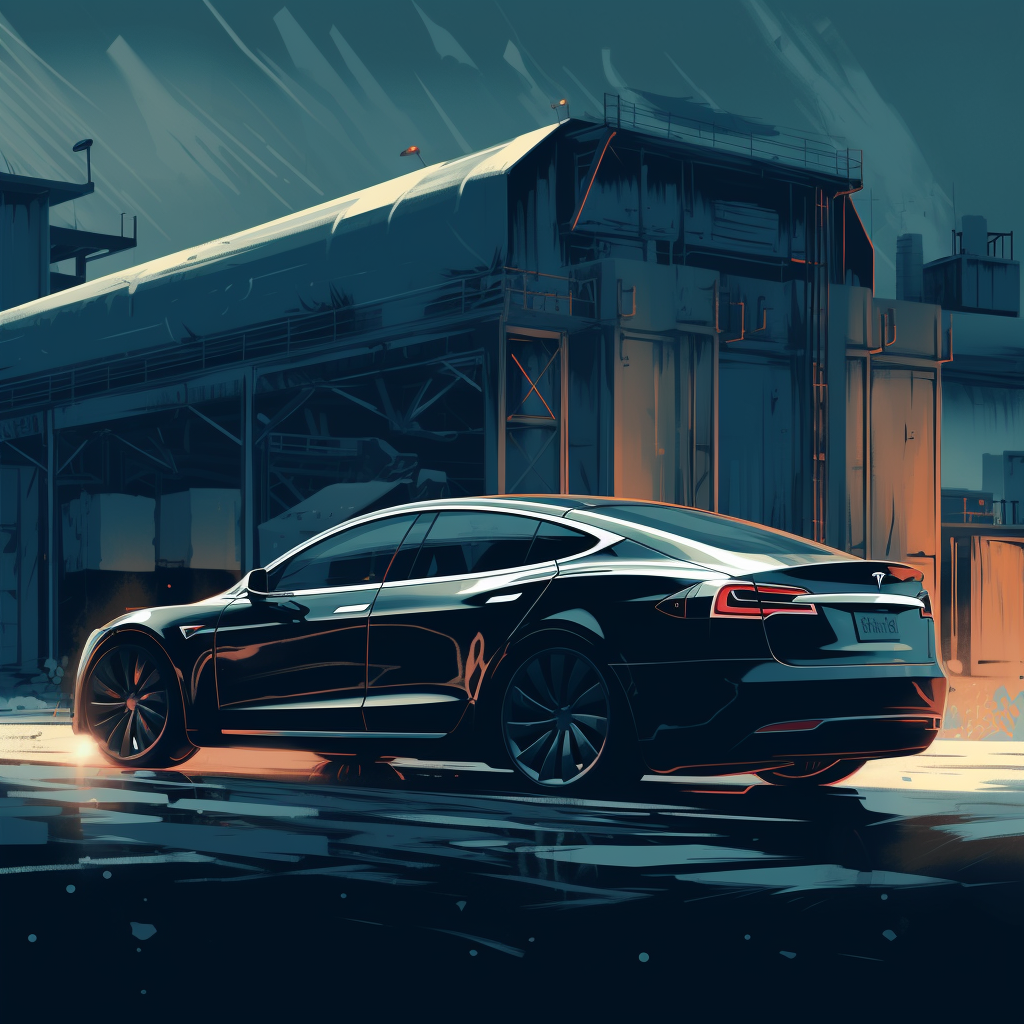
4. Tesla -- Cybertruck Unveil
The stunt: This was not planned as marketing. During the 2019 Cybertruck unveil, Tesla's Head of Design Franz von Holzhausen threw a steel ball at the "armored" window to demonstrate its strength. The window shattered. Live on stage. In front of the world's media. Franz tried the back window. Shattered again. Elon Musk stood there and said "well, maybe that was a little too hard."
Why it worked: The failure generated more coverage than a perfect demo ever would have. Every news outlet, every late night show, every meme page ran with it. The embarrassment was so relatable and so human that it made Tesla the most talked-about brand on the planet for a week.
The result: 2+ million Cybertruck reservations. Billions in earned media coverage. The shattered window became an iconic meme. Tesla eventually started deliveries in late 2023 and the Cybertruck is now one of the best-selling EVs in its class. For more on Tesla's unconventional approach, see our breakdown of Tesla's marketing strategy.
3. Liquid Death -- The Entire Brand
The stunt: Every single thing Liquid Death does:
- Selling canned water with heavy metal branding
- Celebrity-endorsed enema kits
- Commercials featuring decapitated flying heads
- A Super Bowl ad that was just kids at a party screaming
- Selling their fans' souls to Satan (1,000+ people signed a real contract)
- Putting Tony Hawk's blood in skateboard paint
Why it worked: Liquid Death is not a water company that does edgy marketing. They are a media company that happens to sell water. Founder Mike Cessario came from advertising and punk rock. The entire brand is built to generate attention and sharing. Every product launch, every campaign, every piece of packaging is designed to make you say "wait, what?"
The result: Valued at $1.4 billion. Sold in every major retailer. Their YouTube channel outperforms most entertainment companies. They proved that commodity products (water!) can build cult followings through relentless creative commitment.
2. Nike -- "You Can't Stop Us" (2020)
The stunt: A 90-second split-screen montage matching movements across 4,000 pieces of archival footage. A skateboarder's kick matches a soccer player's kick. A wheelchair athlete's push matches a sprinter's stride. Every transition is frame-perfect. The message: sport connects everyone, even in a pandemic-fractured world.
Why it worked: Pure craft. No gimmicks. No shock value. The editing was so precise that each split-screen transition feels impossible. The message landed because it was visually proven, not just stated. Megan Rapinoe's narration tied it together without overwhelming the visuals. Released during COVID-19 when the world needed a unifying message.
The result: 100+ million views across platforms. The most-shared Nike ad in history. Won the Emmy for Outstanding Commercial. Proved that high craft and emotional resonance can cut through even the noisiest content environment.
1. CeraVe x Michael Cera -- Super Bowl 2024
The stunt: Weeks before the Super Bowl, planted social media posts suggested that Michael Cera was behind CeraVe skincare ("Cera" is right there in the name). Fake paparazzi shots of Cera signing CeraVe bottles went viral. Dermatologists and influencers debated whether it was real. On Super Bowl Sunday, the ad revealed it was all a joke -- but also introduced CeraVe's actual dermatologist endorsements.
Why it worked: Multi-week narrative marketing. By the time the Super Bowl ad aired, millions of people were already engaged with the mystery. The campaign blurred the line between organic social media and advertising so effectively that even marketing professionals could not tell what was planted and what was genuine buzz. The name coincidence (Cera/CeraVe) was hiding in plain sight for years and nobody noticed until they pointed it out.
The result: 13 billion earned media impressions. CeraVe became the most-searched skincare brand during Super Bowl week. Sales spiked 25% in the weeks following. It redefined what a Super Bowl campaign can look like: not just a single ad, but a multi-platform narrative that starts weeks before the game.
In Conclusion
Here is what every one of these campaigns has in common: they were genuinely entertaining. Not "corporate entertaining." Actually entertaining. The kind of thing you send to a friend not because a brand asked you to, but because it made you laugh or made your jaw drop.
If your company is thinking about video marketing, understand what you are competing against. You are not competing against other brands. You are competing against MrBeast, trick shot compilations, and everything else fighting for attention in the same feed. The bar for "good enough" is not a polished corporate video. It is content that someone chooses to watch instead of everything else available to them.
Make something genuinely worth watching. Or save your money. There is no middle ground anymore. For the AI-powered side of video creation, check out our guide to Sora and text-to-video tools.
Related articles: Tesla's Marketing Strategy · Sora Explained · Interesting MrBeast Facts
Author

Want more like this?
I write about AI implementation, automation, and growth marketing. No hype.